
Overview
Home improvement projects can transform how your home feels, reduce energy costs, and raise its resale value, but only if you choose the right upgrades. This article explores the home improvements that deliver real benefits, the projects that often fail to pay off, and how to invest in upgrades that last for years.
The key points:
- Prioritise building upgrades ahead of cosmetic refreshes.
- Ask yourself, are you improving to live, to sell, or both?
- Recognise quality products always show their value.
- You can’t predict the future but you can hedge for future regulations, potential energy costs, and wear.

5 minutes read time.
When does a conservatory add value?
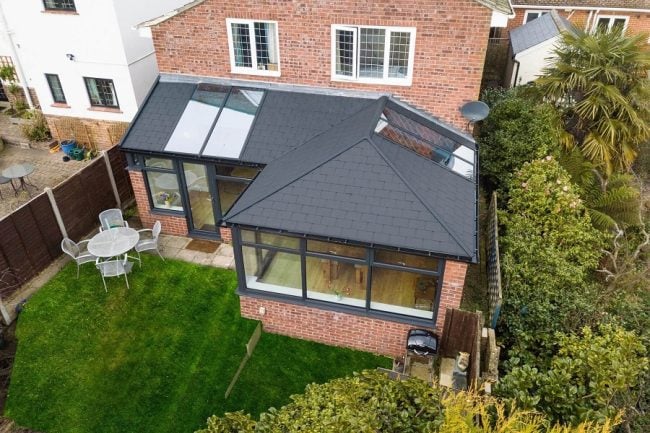
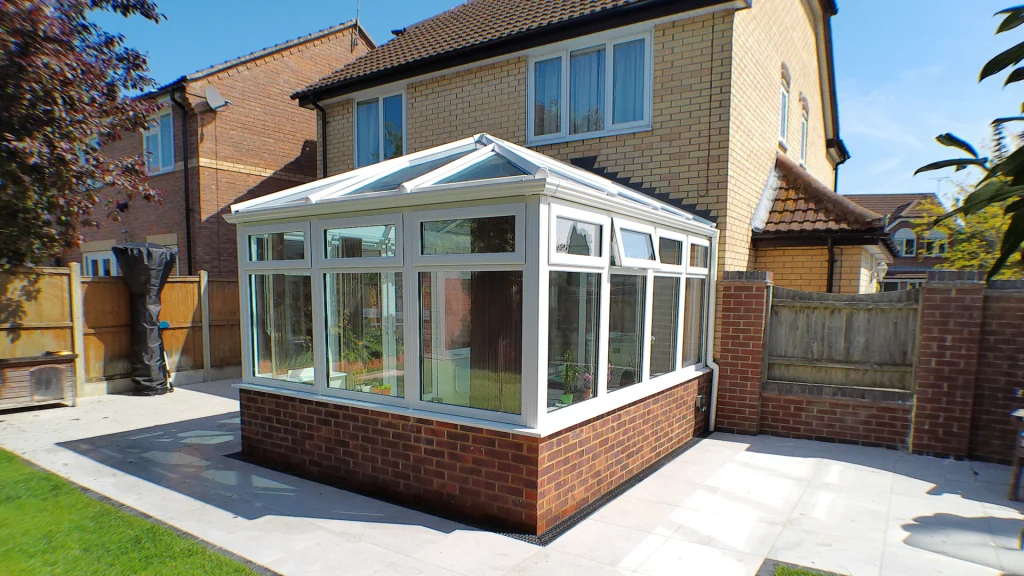
When it is a true, usable room all year. Many older conservatories are poor insulators and consequently become uncomfortably hot in summer and frankly frigid in winter. Such rooms have no power to lure potential home buyers and are unlikely to attract a premium either.
That’s why specification and design mean much more than floor area. Upgrades to the fabric of your conservatory are a sound investment that can turn a little used room into an asset.
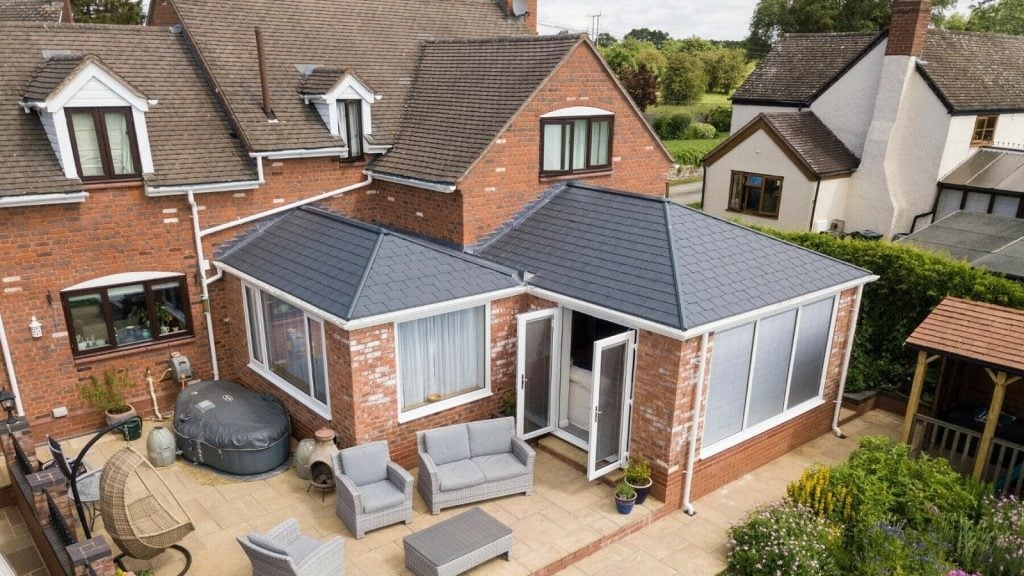
Conservatory Refurbishment or Conservatory Roof Replacement can transform an under used space into a climate-steady living zone, often unlocking value without a full rebuild. When considering such an upgrade, it’s worth looking at shading and ventilation as well as location to maintain comfort year-round.

Are you improving to live or to sell?
It’s a basic question but one that is easily overlooked in the rush to install improvements. If you plan to stay in your home for 5–10 years, it’s wise to prioritise comfort, durability, and low running costs. If you’re selling sooner that that, focus on improving the overall appeal of the home. Concentrate on visible defects that worry buyers (tired doors, failing roofs, old windows). Either way, fix the fundamentals first: insulation, airtightness, and good glazing underpin every other improvement.
The Best Ideas: Improvements That Build Long-Term Value

Fabric before fixtures and finish
Start with the elements that protect and insulate the structure. Upgrading to high-quality double glazing can reduce heat loss, eliminate draughts, and improve noise insulation when installed correctly. Pay close attention to proper sealing around frames, include trickle ventilation where appropriate, and choose glazing specifications that suit the building’s orientation, such as solar-control glass on sun-exposed elevations.
High-performance, energy efficient doors
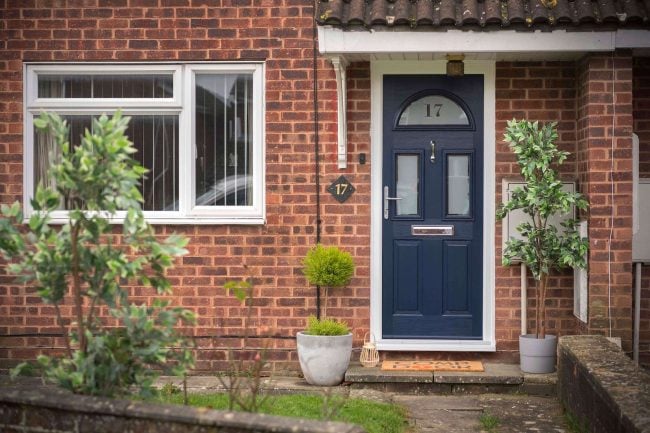
A tired door leaks heat and confidence in the security of the fixture. Choose insulated cores, robust weather seals and secure hardware. Composite doors balance style, durability and low maintenance. Treat thermally efficient doors as an entryway project: optimise daylight with glazed panels, maintain privacy, and ensure threshold details are level, safe and watertight.
Consider design continuity
We perceive quality when we see coherence in design and materials. When choosing windows, say, try to match sash proportions and colour tones with the original architecture. Align cills and transoms, repeat key details, and choose complementary hardware so additions feel integrated rather than stuck on.
Future-proofing that pays you back
Build for tomorrow’s potential energy costs, rather than today’s minimums. Target lower-than-required U-values, where budget allows. Specify low-maintenance finishes, and design flexible layouts. Use our energy efficiency guidance to prioritise measures and seek out keep hold of warranties and specifications to reassure future buyers.
The worst ideas: fakes and false economies

Fixing the wrong problem
The most common mistake is throwing cosmetics at structural discomfort. A freshly painted but freezing conservatory still reads as a problem room. Buyers feel the ch ill and mentally deduct the cost of fixing it. If the roof is the weak link, a conservatory roof replacement creates year-round stability, after which décor actually adds perceived value.
Beware buying on price
Another trap is letting the lowest quote dictate the specification. Thin frames, weak seals and rushed fitting often lead to draughts, condensation and callbacks that quietly erode comfort — and confidence. Paying once for robust components and careful installation is cheaper than paying twice for remedial work and lost buyer trust.
Bigger isn’t always better
Oversized additions with poor daylight, awkward circulation or limited ventilation can feel like annexes rather than assets. Instead of chasing square metres, design for usable, comfortable space that integrates with how people live and use the home.
Random styles reduce demand
An attention-grabbing door or frame colour that fights the façade can make the whole elevation feel unresolved. Choose proportion, colour and detailing that belong to the house so improvements look harmonised—it might not be your personal idea of perfection, but more buyers will be swayed by coherence than individuality. If the entrance is tired, upgrading to composite doors offers secure hardware with thermal performance and a finish that complements the architecture.
How to make lasting improvements
Prioritise upgrades that cut running costs first. Higher performance double glazing, airtight installation and smart ventilation will all help.
Design rooms to be adaptable, with daylight and flexible layouts, so spaces can shift from office to playroom to guest room without compromise.
Choose low-maintenance finishes that keep their look with minimal effort and keep a full paper trail — warranties, product specs and certificates — so buyers can trust what they can’t see. If you’re unsure where to start, our Energy Efficiency guidance helps you prioritise the right measures in the right order, avoiding spend that doesn’t move the dial.

Why choose SEH BAC
SEH BAC has more than 50 years of experience across East Anglia, Essex and the South East, with award-winning customer service and installations. Our wide range of high-quality, energy-efficient products means we’ll help you choose upgrades that genuinely add comfort and value to your home.
Get in touch
with SEH BAC today!
FAQs on Best & Worst Home Improvements
Yes, if you refurbish it to work year-round. If it’s old or too hot/cold, it can seem like an unusable space. Upgrading roofs and glazing boosts comfort and buyer confidence.
Improve the fabric of the building first for lasting comfort. Then refresh kitchens or bathrooms for saleability. Modern Double or Triple Glazing cuts bills and noise.
Look for insulated cores, quality seals, and low U-values. Consider daylight, security, and durability alongside style.
What to read next
- Conservatory Buying Process – Understand timelines, options, and key decisions.
sehbac.com/conservatory-buying-process - Installation – How SEH BAC delivers smooth, award-winning projects.
sehbac.com/installation - Energy Efficiency – Practical tips to cut bills and boost comfort.
sehbac.com/energy-efficiency