
Top tech: Home security is simpler yet smarter, but which is right for you?
Advice & Guidance
Overview
We all want our homes to feel secure—it’s one of life’s basics. But we also perceive threats to security differently and consequently have different needs.
The range of security options today goes far beyond the physical—secure doors or toughened glass—to include digital support systems that increase control and breed confidence through remote monitoring.
This article identifies the most effective home security products and shows how to prioritise upgrades that fit your budget and provide the degree of protection that makes you feel safe at home.
The key points:
- Start with a risk-based security map of the whole home.
- Doors, glazing and alarms deliver the biggest real-world gains.
- Smart locks and monitoring systems maintain control and provide an audit.
- Choose upgrades that integrate, are accredited and future-ready.
- Balance convenience with robust, low-maintenance build quality.

5 minutes read time.
Map the mothership – security as a system
Put aside the gadget wishlist for a minute and think strategically.
Security works best when planned in, rather than being pinned on later. Creating a security map of your home helps you understand the risks to create a security profile. Your map should identify risk areas: entrances, windows, and other weak spots, lighting, visibility, and likely attack methods. You could prioritise the routes a burglar would actually use, typically front and back doors, side access and vulnerable ground-floor windows.

Put technology where it has the greatest effect
Sensors, communication and integration
Windows and doors are obvious risk areas since both can be forced or broken in a bid to gain entry. And if that wasn’t scary enough, the thought you might not have secured one or another before you left the house should be.
Alarmingly, (no pun intended) more than a third of all break-ins in the UK are through unsecured doors or windows. So much for your security locks and toughened glass…
New systems exist to help those of us who are forgetful, lack awareness, or are simply in too much of a hurry to check everything.
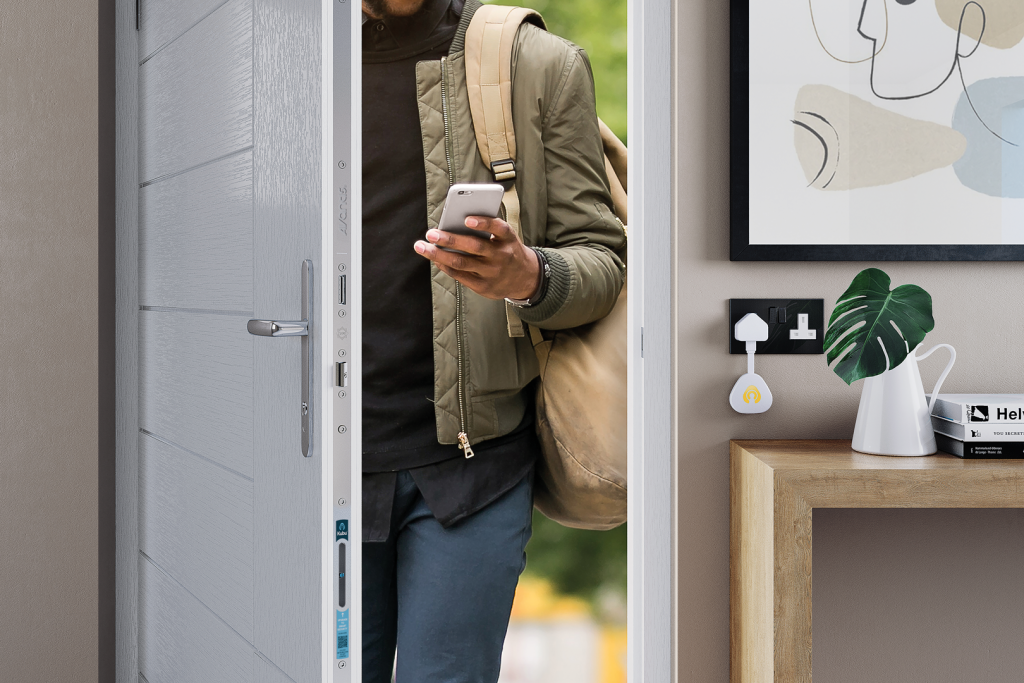
Integrated with contemporary smart home technologies like Alexa and Google Nest, new home security monitoring systems are able to track and report the security condition of your home.
In a partnership with Kubu, SEH BAC offers a wireless door and window monitoring and smart alert system that tracks security in real time via an app on your phone. When implemented with geofencing, it can remind you about unsecured doors or windows before you’ve left the neighbourhood.
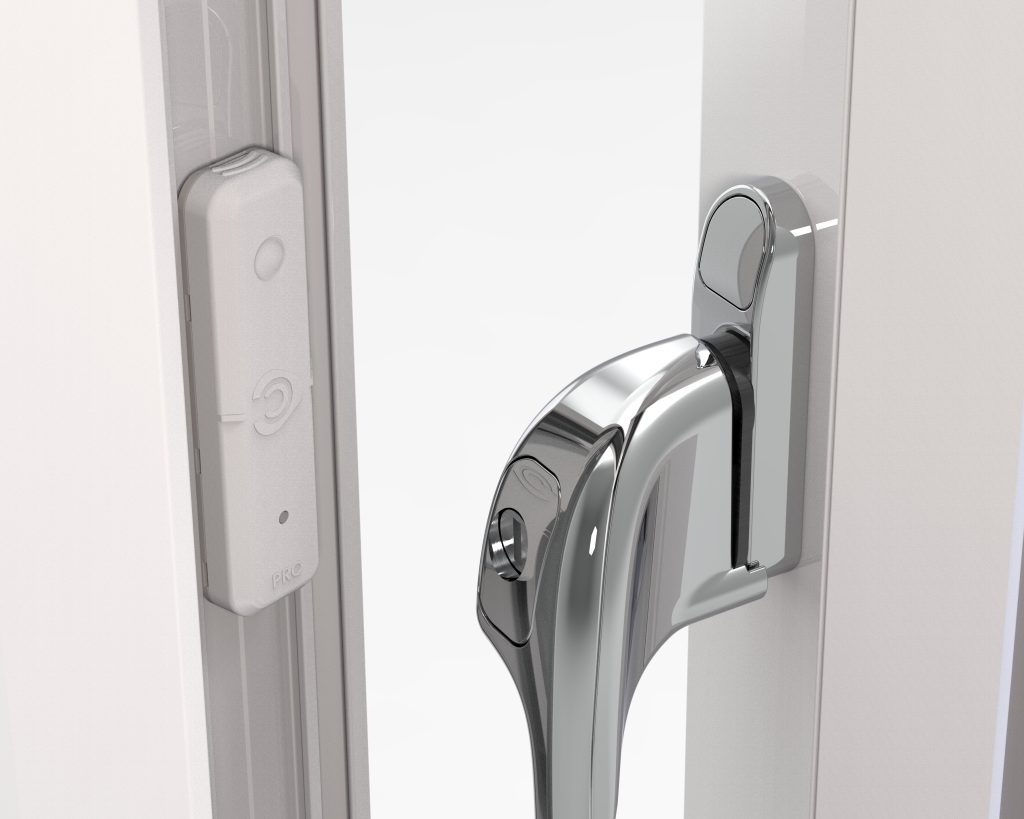
The system comprises a hub that plugs into a conventional wall socket and connects to your wifi network, and discreet, individual sensors that are surface mounted or integrated into the frames of windows and doors.
As components of a system approach to home security, these monitoring products work well and fill a gap that has an outsized impact on feelings of safety.
Secure doors, glazing and frames
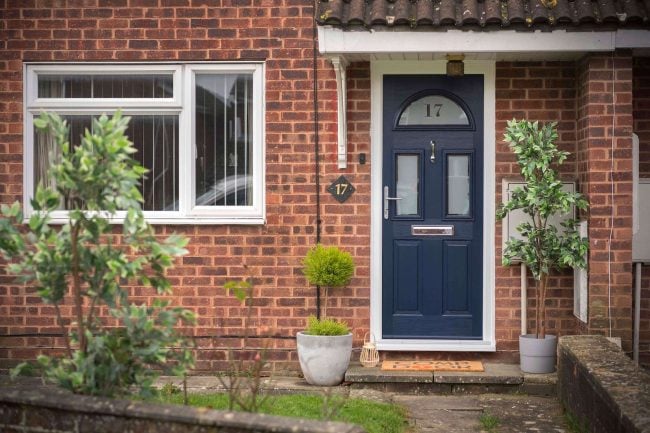
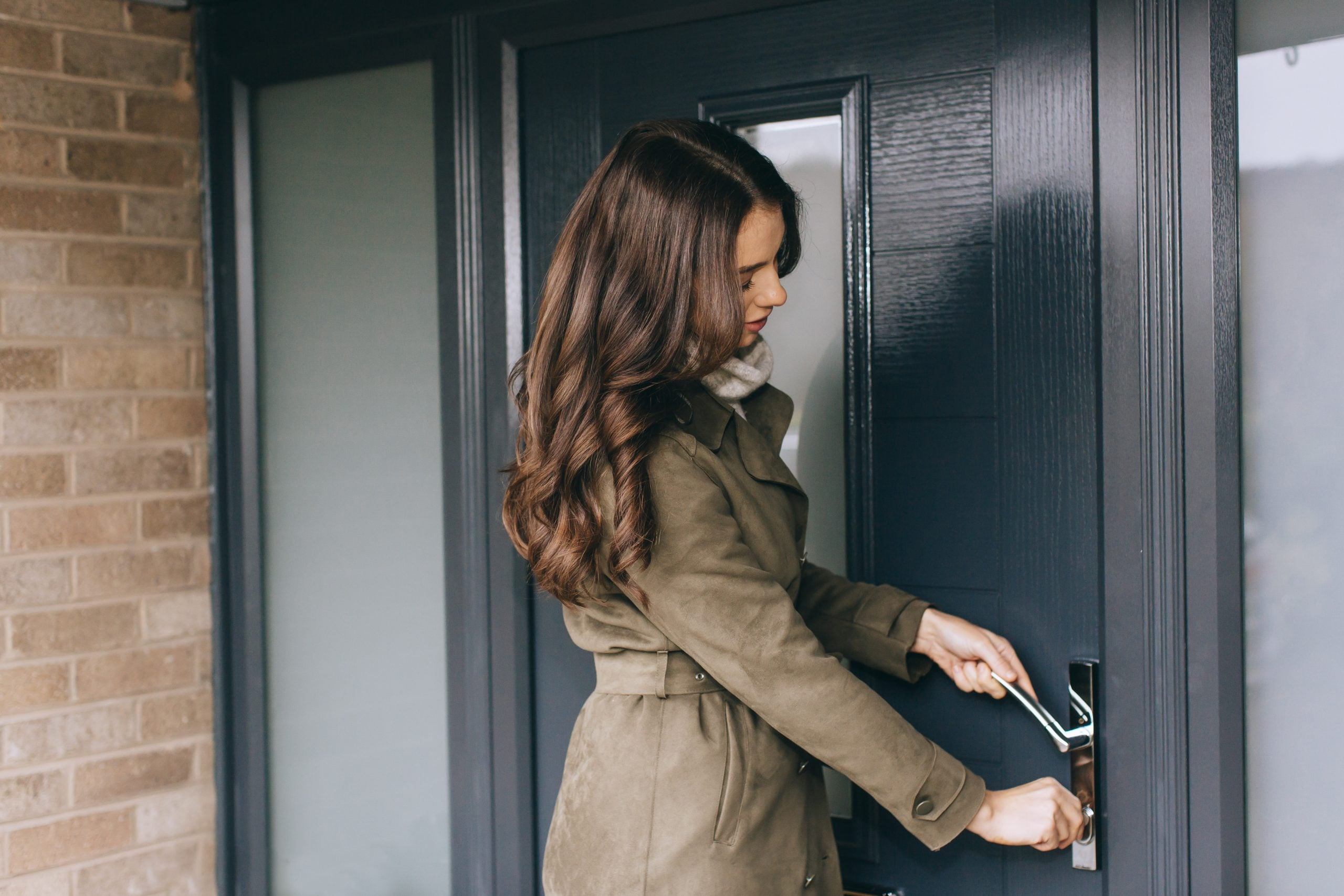
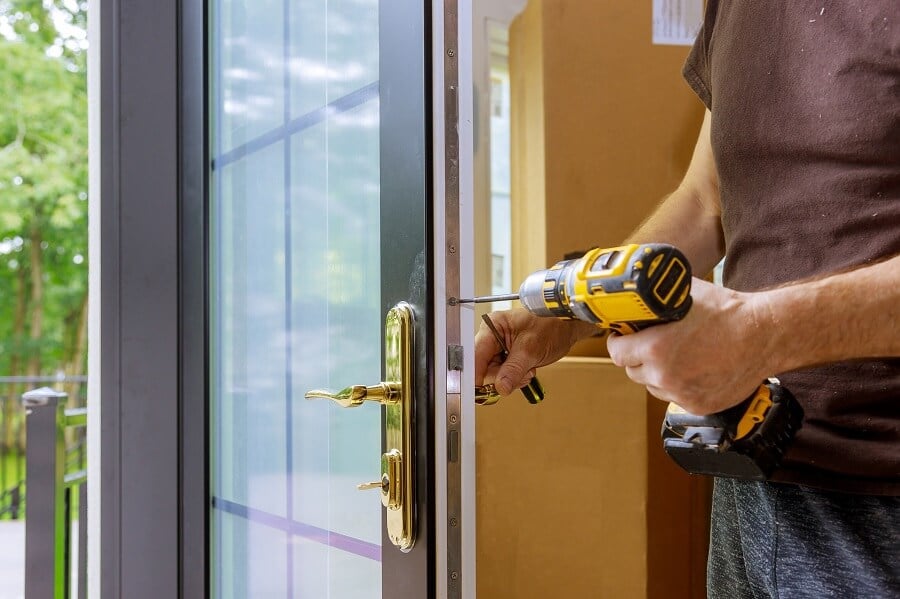
A robust, well-fitted door, secured with accredited, multi-point locking is the starting point, but there are options for adding technology to enhance its security.
Composite doors major on strength of materials and robust construction. Combined with cylinder locks, composite doors offer the best in security and durability. But not all are as inherently secure as others, and it pays to seek out composite doors with proven break-in resistance to be sure you’re getting the strength you need.
UPVC might seem to be a lesser material, but when solidly built can be as good as some cheaper composite door options and far better than an ill-fitting timber door. There is no maintenance requirement and the range and complexity of locking mechanisms ensures you can find something that suits your home easily.
Laminated security glass in windows resists forced entry while staying intact, making it harder to gain access quickly or quietly. Locking, reinforced frames and internal beading add to the security potential of windows. And if you’re improving multiple rooms, upgrading to quality Double Glazing across key elevations can remove long-standing weak points in one go.
Make sure your tech is the tech you need
- Hardware is the first consideration
We’re not talking computer hardware… Choose solid, through-bolted hinges with hinge/dog bolts, anti-snap/pick/drill Euro-cylinders, and multi-point locking secured into the frame and masonry.
Adding laminated security glass deters break-ins and internally beaded frames ensure panes can’t be removed from the outside. - Accreditation and testing
Prioritise products verified to recognised UK security standards, with independent test evidence. Check that the complete door set—slab, frame, keeps and hardware—was tested together, and that warranties cover both product and installation. Certification proves performance under realistic tests. - Integrate everything
Favour smart locks compatible with your existing cylinder and keys, and doorbells/cameras that run through a single, reliable app. Ensure there’s battery backup for locks, alarms and your router, role-based access for family and trades, and privacy features like masked zones and encrypted video.
- Low-maintenance, long-term reliability
Look for weather-sealed housings, protected cabling and UV-stable finishes that shrug off British weather. Prefer replaceable batteries or neat hard-wiring, with firmware updates that don’t disrupt routines, and local fail-safe control if Wi-Fi or cloud services drop.
- Ownership costs and support
Confirm ongoing costs upfront—cloud recording, monitoring or cellular backups—and check parts availability and UK-based service. Installer support for setup, user training and future tweaks is invaluable. Predictable ownership costs prevent “subscription creep” and ensure issues are fixed quickly.
Tips for creating your security map and plan
- Mark priority routes: front, rear and side access; overlooked windows.
Walk the perimeter by day and night to spot blind areas, weak gates, fence gaps and climbing aids like bins or low roofs. Map lines of sight from streets and neighbours for natural surveillance, and flag vulnerable glazing near handles or easy-to-force sashes that merit reinforcement first. - Choose physical upgrades first (door, glazing, locks), then add smart layers (monitoring systems, alarms).
Start with stronger entrance doors, keeps and high-grade cylinders, then upgrade priority windows to laminated glass with internal beading. Add sensor lighting to approaches, followed by a dependable alarm with simple arming. Use a monitoring system to be sure everything remains secure. - Set a budget per zone and phase work if needed.
Tackle high-risk, low-effort wins first—like cylinders and hinge bolts—then allocate separate lines for hardware, installation and any subscriptions. Phase improvements by zone (front approach, rear access, side return/garage) and keep a 10–15% contingency for adjustments after living with the system. - Test, train and review
Run a household “lock-up” drill to ensure everyone can arm, disarm and lock quickly. Check camera angles at night and refine motion zones to cut false alerts. Reassess quarterly as seasons and routines change, and store spare keys, codes and battery packs securely where all relevant adults can access them.

SEH BAC ensures all your upgrades are secure, stylish and built to last.
The company has more than 50 years of experience across East Anglia, Essex and the South East, award-winning customer service and installations, and a wide range of high-quality, energy-efficient products.
Get in touch
with SEH BAC today!
FAQs
Strengthen doors and locks first for the biggest impact. Consider accredited hardware and reinforced frames before adding cameras or alarms.
• Upgrade cylinders
• Check hinges
• Fit door viewer
Yes, when combined with accredited cylinders and quality doors. SEHBAC have smart sensors as standard in windows and Front Doors for convenience and security. This can be combined with a smart home alarm system for complete peace of mind.
Laminated panes resist forced entry and stay intact longer. Upgrading priority windows to Comfort Glass enhances both security and thermal comfort.
Yes—alarms deter and drive response, cameras provide evidence. Use both for detection and verification across entry routes.
What to read next
- Front door security: the essentials — A quick guide to locks, hinges and cylinders for UK homes.
sehbac.com/doors/front-doors - How laminated glass protects your home — What it is, how it works, and where to use it.
sehbac.com/windows/comfort-glass - Smart security for your home — Keep your home secure and connected with our new Smart Home Protection System
www.sehbac.com/smart-security