


Replacing Windows in a Conservation Area: What You Really Need to Know
Advice & Guidance

Pete’s Perspective
For more than 35 years, our Managing Director, Peter Wheeler, has been totally committed to searching out new and better ways for improving our customers’ homes.
Here, every month he shares his learning and insights, along with new ideas and top tips.
Replacing Windows in a Conservation Area
If you live in a conservation area and you’re thinking about replacing your windows, you’ve probably already realised it’s not as straightforward as it should be. A quick search online can leave you feeling boxed in — with the impression that expensive timber windows are your only option.
The reality is a little more reassuring.
In this blog, we’ll break things down in plain English: what the rules actually mean, what planners are looking for, and how many homeowners are successfully choosing modern, low‑maintenance alternatives — even in conservation areas.
Why Are Conservation Areas So Strict?
Many conservation areas are covered by something called an Article 4 Direction. In simple terms, this removes your usual permitted development rights. That means changes you might normally make without permission — including replacing windows — now require formal planning approval.
The goal isn’t to make life difficult, but to protect the character and appearance of the area. Unfortunately, the guidance online doesn’t always explain how this works in practice.
What Does “Like‑for‑Like” Actually Mean?
You’ll often see the phrase like‑for‑like replacement. This usually means the new windows must closely match what’s already there. Planning officers will typically look at:
- Materials – Timber is often preferred. Standard uPVC can be rejected if it looks too modern.
- Design details – Frame thickness, glazing bars, glass reflectivity and proportions all matter.
- Window style – Changing sash windows to casements, or altering profiles when upgrading glazing, can cause issues.
After reading this, many homeowners understandably assume they have no choice but to replace old timber windows with new timber ones — an expensive option that still leaves you with ongoing maintenance.
Is There Another Option?
Yes — and this is the part that often gets missed!
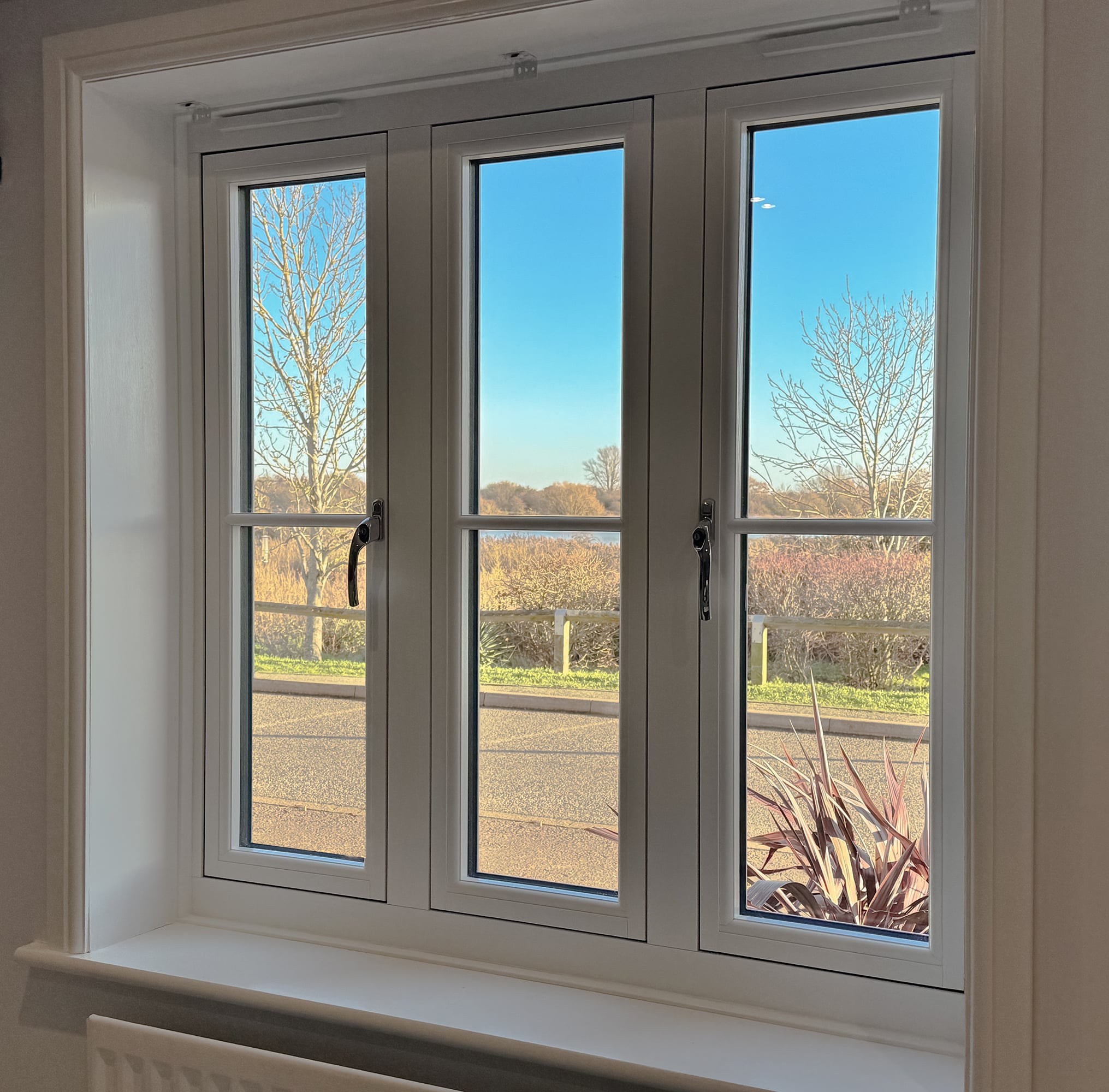
There are maintenance‑free alternatives that can be approved in conservation areas. Planning permission is still required, but success comes down to experience, attention to detail, and choosing the right products..
How SEHBAC Helps
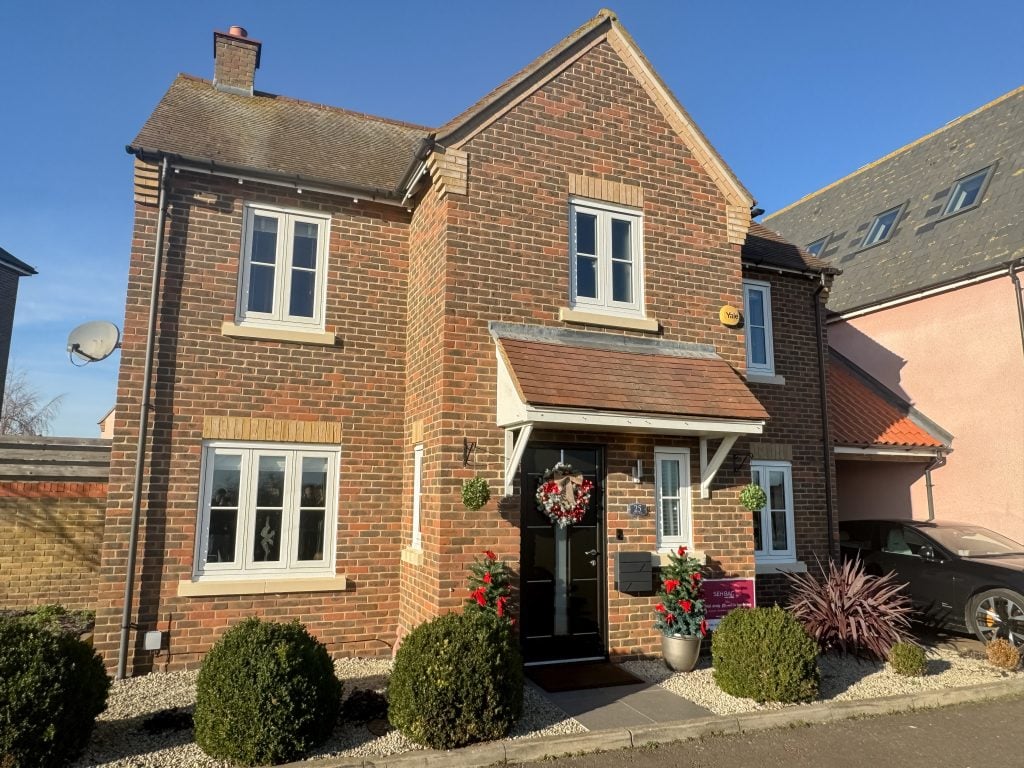
At SEHBAC, we’ve worked with conservation properties for many years. Rather than leaving you to navigate the planning process alone, we offer a full turnkey service, handling the entire application on your behalf.
This makes a real difference.
Our surveyors carefully record every detail of your existing windows — including opening styles, proportions, profiles and decorative glass. Our technical team then prepares a detailed planning submission that mirrors the original appearance while addressing conservation requirements.
If there have been any previous refusals, we review them carefully to ensure those concerns are fully resolved in the new application.
What Does an Approved Solution Look Like?
In a recent successful application, this approach included:
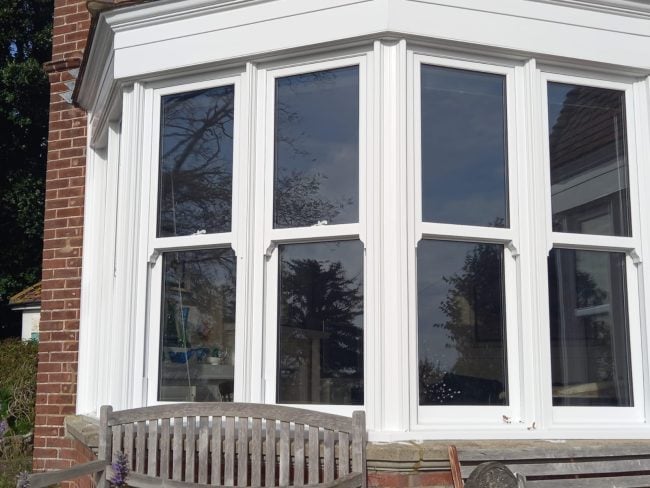
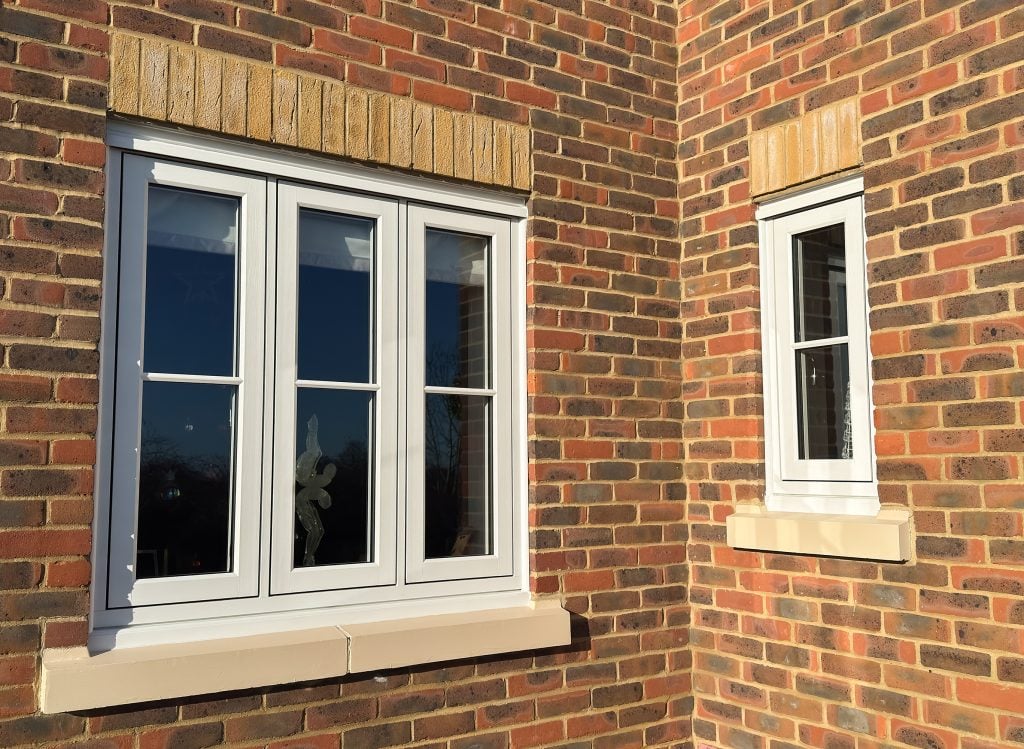
- Specialist white foils designed to replicate a painted timber finish
- Timber‑look joints on sashes and outer frames
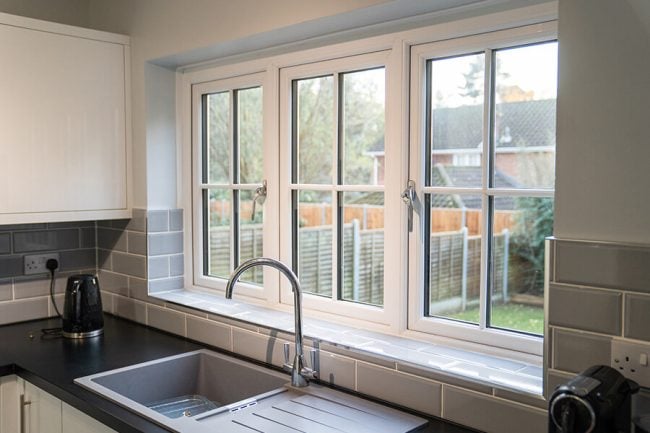
- Decorative glazing bars made to precise sizes
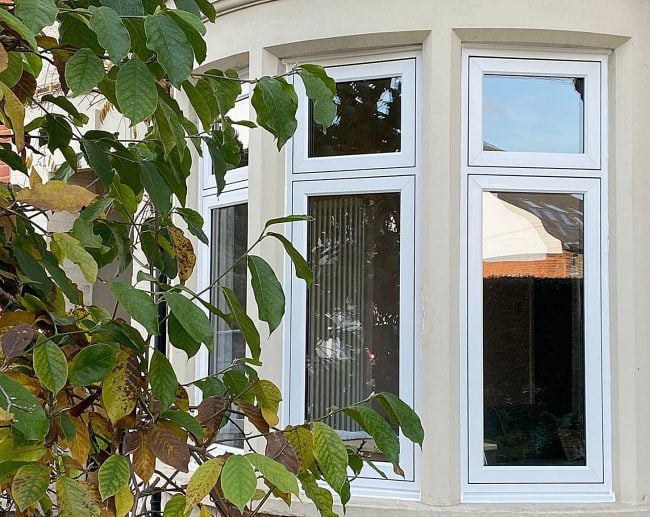
These details can be incorporated into both casement windows and vertical sliding sash windows, helping preserve the traditional look planners want — while giving homeowners a modern, low‑maintenance product.
The key is knowing which uPVC options to specify, and clearly explaining how they address conservation officers’ concerns.
A Better Long‑Term Result for Homeowners
By taking this careful, informed approach, we’ve achieved a much higher approval rate for our customers. It also means homeowners benefit from a more cost‑effective alternative to timber, with the added bonus of a maintenance‑free solution that lasts.
If you’re considering replacing windows in a conservation area and want honest advice based on real experience — not assumptions — we’re here to help.
Visit your nearest SEHBAC showroom and speak to our friendly team today.