
Overview
There’s been a lot of progress in the development of replacement windows as a contributor to sustainable living, improving home insulation and reducing heating bills being the main factors. But there’s an awful lot of nonsense talked about it too.
This guide reviews available options and explains which upgrades have the best environmental credentials considering materials, production, thermal performance and lifetime.
The key points of article:
- It’s important to compare the energy performance, durability and recyclability of different products.
- Quality uPVC uses a high proportion of recycled plastic.
- Aluminium is a durable and easily recycled material for window frames.
- Well made, quality products generally have a longer life.
- Accuracy and care in installation has an impact on thermal performance.

5 minutes read time.
What to look for
The three aspects to consider are the frame material (generally uPVC or aluminium), the design of the frame profile (which may be more or less efficient as an insulator), and the glazing specification which is often something you can choose.
Good systems design insulation into the frame with thermal breaks that reduce heat transfer. Such frame profiles may be made in either uPVC or aluminium, though not timber where frames are solid.
The insulating effect of the frame is taken into account when the manufacturer calculates its thermal performance, normally expressed as a U-value in W/m2K. (See below for more on U-values.)
It’s important to remember that actual thermal performance achieved by windows in your home is influenced in part by how accurately fitted the window is by your installation team.

Good plastic vs bad plastic
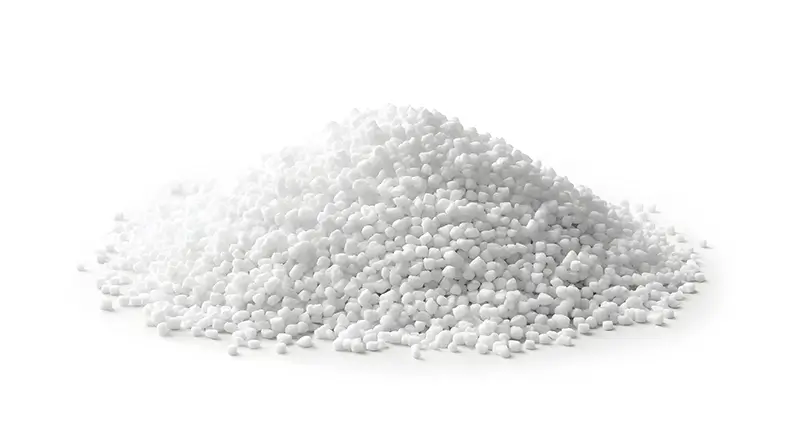
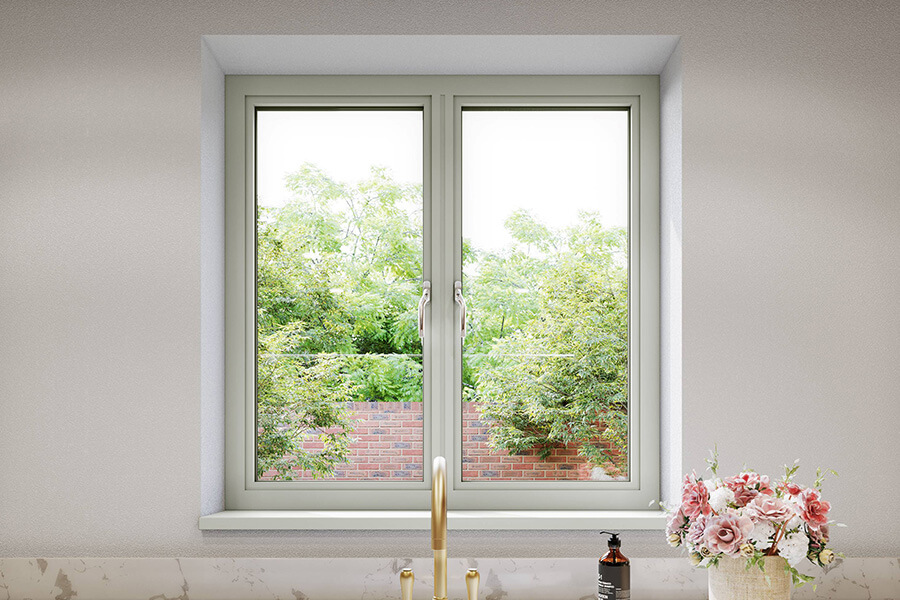
Lower-grade plastics age poorly and can become brittle or discolour. High-quality uPVC is different; it’s rigid, UV-stabilised and can be engineered with a high proportion of recycled material. Manufacturers use robust formulations, weather-resistant seals and recycling streams that turn old frames into new products. In the best cases, as much as 80% of the frame is made from recycled content, and the plastic can be recycled up to ten times.
uPVC is a good choice when you consider its recycled content and its excellent insulation properties. It is also made at an accessible price compared to other materials. For many homes, uPVC windows provide the best combination of performance and value.
What about aluminium?

Aluminium’s strengths are its longevity and recyclability. It is estimated (by the International Aluminium Institute) that of all the aluminium ever extruded, 75% is still in circulation.
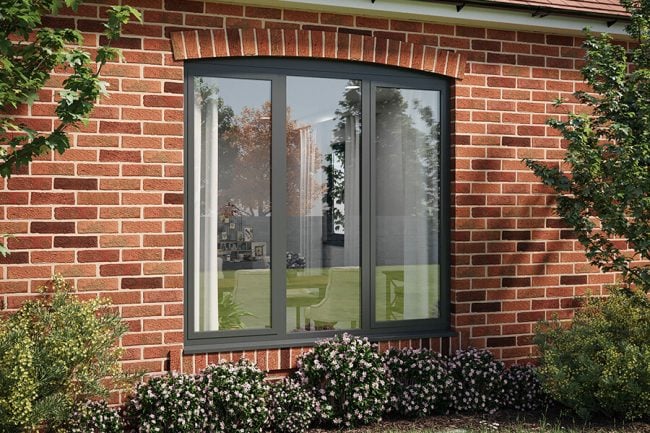
Window frames in aluminium typically last for 40-60 years and resist warping or weathering. Like uPVC frames, the profiles use thermal breaks, so thermal performance is similar. Another factor to consider is that is possible to design slimmer frames with aluminium which could increase the natural light in your home and save on lighting energy.
All about U-values and heat transmittance
Window energy ratings compare draught prevention, solar gain, and heat loss. The last of those has an important measure you might have heard of called U-value.
U-value (where U stands for thermal transmittance) is an indication of the rate at which a component such as a wall, roof, or window transfers heat from inside to outside. It is measured in watts per meter squared-degrees kelvin (W/m²K).
In essence, a window of a lower U-value indicates lower transfer of heat, so is a better insulator, than one of a higher U-value. Naturally, it’s not so simple as that, as manufacturers typically determine your window’s U-values in lab conditions, not once installed on a windy coastline in Essex. It’s also worth bearing in mind that the method of sealing and the frame design have a significant impact on the result.
Part L1A of current UK building regulations states that a window installation in a new home should achieve a U-value no higher than 1.4 W/m²K. For reference, older double glazed units generally perform less well than that at around 3W/m²K, while single glazed windows are normally as high as 5W/m2.K.
Quick wins vs long-term upgrades
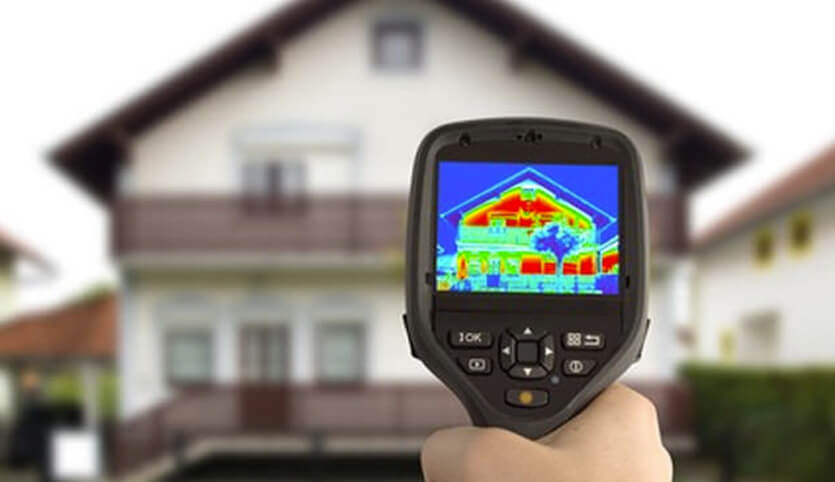
Making your home a more sustainable not to say more comfortable and economic place to be is a good aim to have but it doesn’t always rely on changing everything. Simple fixes such as draught-proof letterboxes and keyholes and attending to weak or poorly fitting seals can do much to reduce heat loss around the home.
When you’re ready to upgrade windows or doors, seek out quality and you’ll have to replace less often. Fewer, better upgrades reduce waste, disruption and lifetime cost.
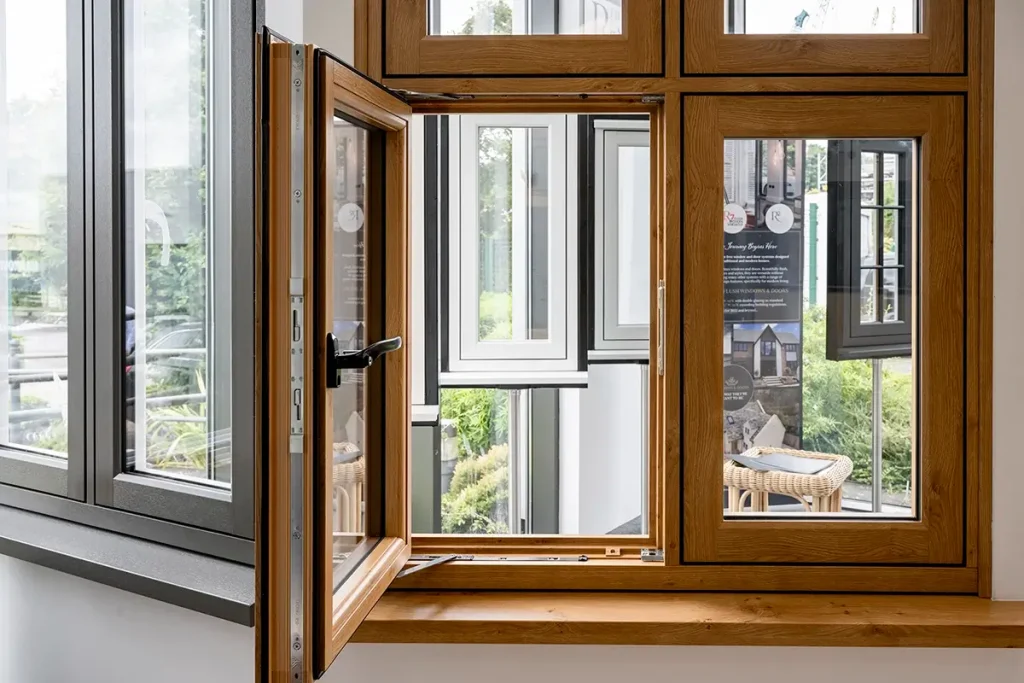
SEH BAC has more than 50 years’ experience installing quality products throughout East Anglia, Essex and the South East. Its teams of installers are recognised for the quality of their work as well as their care and courtesy. And a wide range of high-quality, energy-efficient windows, doors, conservatories and orangeries can add measurable to the ongoing enjoyment of your home.

For tailored guidance on frames, glass and budgets
get in touch with SEH BAC today
FAQs on uPVC vs aluminium windows
Both can achieve excellent U-values when specified well. Installation quality is crucial. Choose insulated frames, warm-edge spacers and airtight fitting for consistent results.
Yes. Aluminium is endlessly recyclable and long-lasting. Thermal breaks and quality glazing deliver strong energy performance.
Poor formulations can yellow, crack or leak heat. Quality uPVC uses stabilisers, multiple chambers and durable seals. See our uPVC Windows range for practical options.
Often yes, for airtightness and comfort. Well-specified Composite Doors cut draughts and complement efficient glazing for whole-house performance.
What to read next
- Energy Efficiency — Your hub for saving energy at home with better windows and doors.
sehbac.com/energy-efficiency - uPVC Windows — Styles, performance and finishes for value-led efficiency.
sehbac.com/windows/upvc - Aluminium Windows — Slim frames, durable finishes and modern performance.
sehbac.com/windows/aluminium