
How to prevent window condensation: seasonal maintenance and sensible upgrades
Home Improvement Advice

Overview
Condensation is common in UK homes and it’s often blamed on faulty windows, when everyday habits and light maintenance are the real culprits.
This guide shows how to prevent window condensation, with a seasonal window maintenance checklist, a simple conservatory maintenance schedule, and upgrades that protect your home.
The key points of article:
- Tackle humidity first with ventilation, heat balance and everyday habits.
- Follow a simple window maintenance checklist through the seasons to prevent issues.
- Clean frames, seals and drainage; use mild products and soft tools only.
- Watch for persistent puddles, mould or misted panes-signs a survey or upgrade may be needed.

4 minutes read time.
Understanding what causes condensation
When warm, moist air meets a cold surface it forms water droplets. Common causes include drying clothes indoors, which increases the amount of moisture in the air, poor extraction and blocked vents which reduce ventilation.
Moisture on the room side of glass points to humidity control; misting between panes suggests a failed sealed unit needing replacement.
With modern, high-quality double and triple glazing, windows and doors are far more airtight and better insulated. This helps keep the inner glass surface warmer – which can reduce condensation on the glass itself – but it also means more heat and moisture stay inside the home. If ventilation isn’t properly managed, any underlying condensation issues can still show up, typically on the coldest remaining surfaces.
Good habits about the home can reduce condensation
Condensation isn’t hard to fix. Increasing ventilation is a good place to start and will help to reduce humidity. Keep trickle vents on window units open and use extractor fans when cooking and bathing. Wipe away any moisture that’s formed on windows before it has a chance to soak into sills or plaster.
Make a seasonal routine to keep condensation at bay

Springtime
Wash frames and glass with a light cloth and a little soap and water; clear drainage slots so rain can escape.

Summer
Check sealant lines and keep vents dust‑free; try shading and short, wide openings at night.

Autumn
Deep‑clean tracks, test locks and look for perished gaskets.

Winter
Maintain steady background heat and be particular about extraction to keep surfaces above the dew point.
Signs that greater work may be required
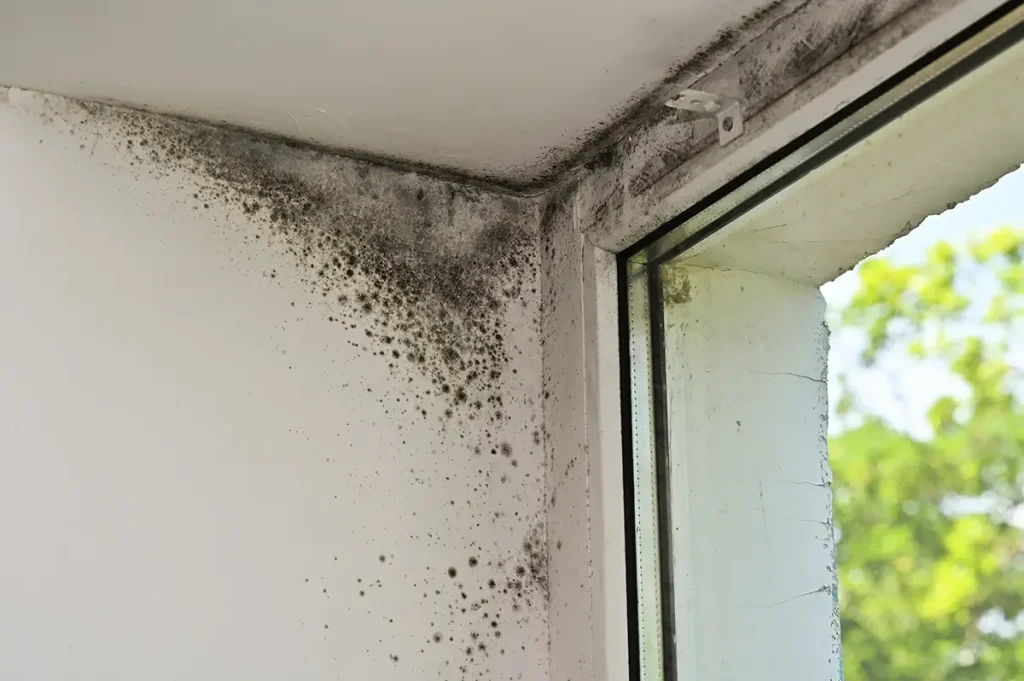
Persistent puddles, black mould at beads or plaster edges, or clouding between panes all deserve attention.
If you find a room still steams up, despite your maintenance regime, older glazing or tired seals might be the culprits. In that case, replacement is the answer. Upgrading to high‑performance Windows raises internal surface temperatures and slows moisture build-up on the glass, provided indoor humidity and ventilation are well controlled.

Sensible upgrades that pay back
Replacing tired, older windows offers more than a short-term fix. New windows incorporate better design technologies such as warm‑edge spacers and advanced seals that stabilise surface temperatures.
Continuous extraction in wet rooms, correctly used trickle vents and appropriate heating schedules keep humidity in check. Where conservatories feel tired, upgrading the roof or glazing will also turn a seasonal room into a space you enjoy year‑round.
How SEH BAC helps.
SEH BAC has more than 50 years of experience helping people make their homes just how they’d like them throughout East Anglia, Essex and the South East. Its award-winning customer service, wide range of high-quality, energy-efficient products make it easier to find the right products for your home in windows, doors, conservatories and orangeries.

Get in touch with SEH BAC today
For personalised advice on glazing, ventilation and specifications
FAQs
Ventilate well and balance heat to keep glass above the dew point. Open trickle vents, run extractor fans, and wipe sills each morning. Reduce moisture from cooking, bathing and indoor laundry.
Act quickly if symptoms persist rather than treating them as normal. You may need replacement glazing or better extraction. See our Windows for upgrade options.
What to read next